
Terramation and Gentle, Earth-Conscious Options in Seattle & the Puget Sound
At Weeks' Funeral Homes, we believe a final choice should reflect the life, values, and wishes of the person being remembered. Natural organic reduction, commonly known as Terramation or human composting, offers a gentle way to return to the earth. Through a carefully managed natural process, a loved one is transformed into soil that may be returned to the family or placed where it can nourish new life. We are here to explain this option clearly and help families consider whether it feels right for them.
What Is Terramation?
Terramation is the familiar name for natural organic reduction, a legal form of disposition in Washington that gently transforms human remains into soil within a contained, carefully monitored vessel. A loved one is placed with natural materials such as wood chips, straw, and plant matter. Oxygen, moisture, warmth, and naturally occurring microbes support the process without flame.
The full process generally takes about 60 days, although timing can vary by provider and individual circumstances. When it is complete, the soil is tested and prepared for release in accordance with Washington requirements. Families may choose to receive some or all of the soil for placement on private land where permitted, at a cemetery that accepts it, or through a participating conservation or forestry project. Our staff can explain the available choices and any rules that apply to a particular location.

What Families Can Expect
Choosing Terramation still leaves room for the traditions and personal touches that make a farewell meaningful. Our team can help coordinate care, transportation, ceremonies, and the return or placement of the soil.
- Respectful, individual care: Each person is cared for separately throughout the process in a licensed facility.
- A natural transformation: Plant materials, air, moisture, and naturally occurring microbes support the gradual conversion to soil.
- Time for remembrance: Families may still hold a visitation, funeral, memorial service, or celebration of life before or during the process.
- Meaningful choices for the soil: Soil may be returned to the family or directed, with permission, to an appropriate cemetery, conservation property, or forestry project.
- Clear guidance: Because placement rules vary, we help families understand what is allowed before a final plan is made.
Flameless Water-Based Cremation
Families who prefer cremation but want an alternative to flame may consider alkaline hydrolysis, often called water cremation, aquamation, or flameless cremation. This process uses water, gentle heat, pressure, and an alkaline solution to accelerate the natural breakdown of the body. The remaining bone material is processed into a fine, ash-like material and returned to the family in an urn, much like the remains from traditional cremation.
Water cremation is legal in Washington and may appeal to families who value a process without direct flame. Some families also appreciate that the returned remains can be kept, buried, scattered, or divided among loved ones in the same familiar ways as traditionally cremated remains. Availability can vary, and our team can review current arrangements, timing, and memorial options with you.

Green Burial as Another Natural Choice
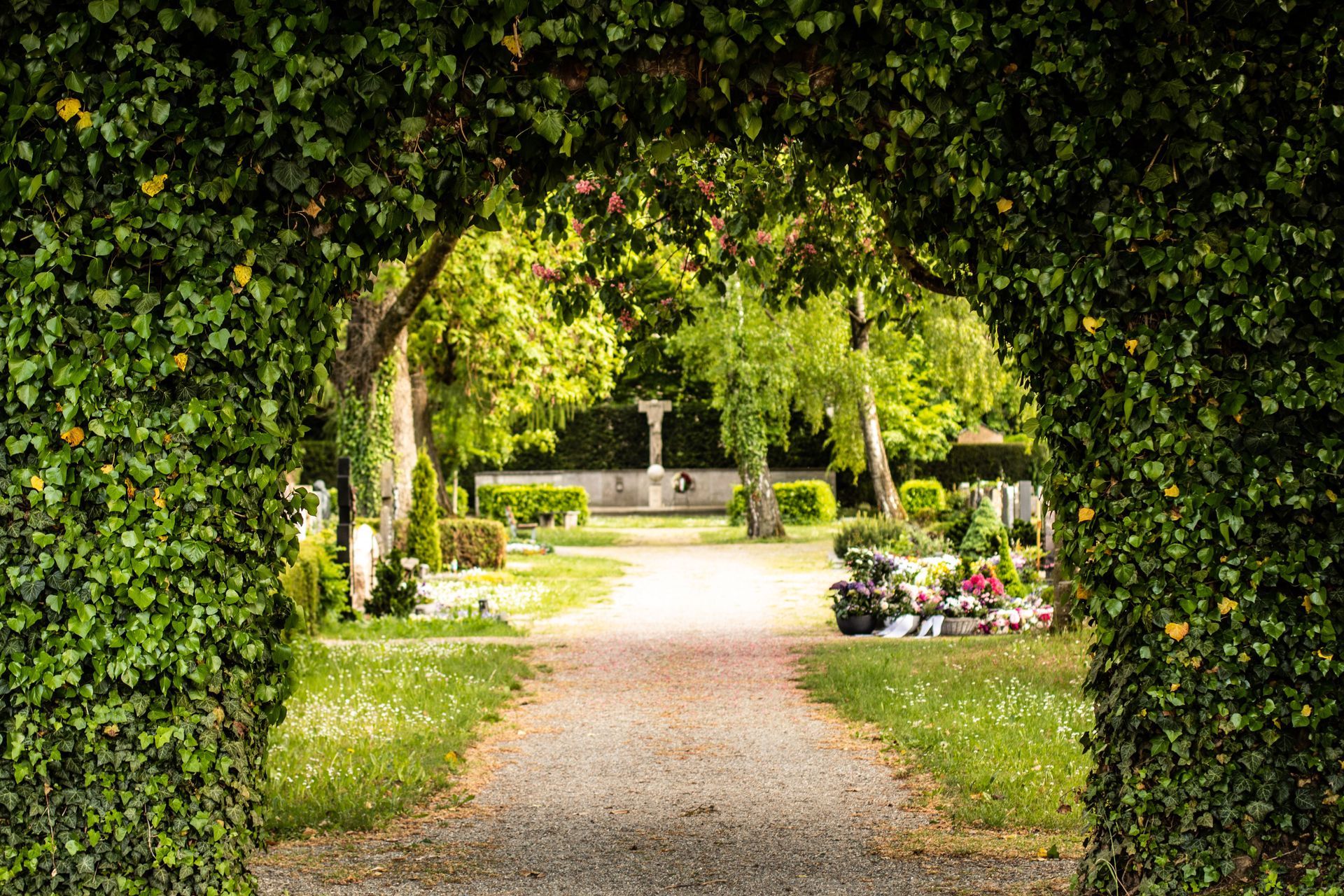
Green burial remains an important option for families who prefer the body to be buried directly in the earth. It generally avoids chemical embalming, metal caskets, and concrete vaults, using a biodegradable casket or natural-fiber shroud instead. Cemetery requirements differ, so we can help identify locations that permit natural or hybrid burial and explain what each cemetery allows.
Frequently Asked Questions
Is Terramation legal in Washington?
Yes. Washington law recognizes natural organic reduction as a legal form of disposition, and licensed facilities must follow state requirements for care, processing, testing, recordkeeping, and release of the soil.
Can our family still hold a funeral or memorial?
Absolutely. The choice of disposition does not determine how you gather. A visitation, faith-based ceremony, chapel service, celebration of life, or private family gathering can be arranged around Terramation, water cremation, or green burial. The only restriction imposed by any green option is no embalming is allowed which may limit your opportunity for services involving an open casket or display of your loved one’s remains.
What can we do with the soil after Terramation?
Families may choose to receive some or all of the soil. Depending on the property and applicable rules, it may be used on family land, placed at a cemetery that accepts naturally reduced remains, or contributed to an approved conservation or forestry project. We will help you confirm what is appropriate before placement.
A Natural Farewell, Guided with Care
Whether you are planning ahead or making arrangements after a death, you deserve clear information and unhurried support. The staff at Weeks' Funeral Homes can help you compare Terramation, flameless water-based cremation, green burial, and other choices without pressure.
Contact our team at (360) 829-1171 or visit our funeral home to talk through the options available to your family.

© 2026
- Weeks' Funeral Homes - All Rights Reserved
-
Privacy Policy