

 Families have more options today than ever before when considering end-of-life arrangements. Choosing a method that respects both the memory of a loved one and the health of the planet is becoming a growing priority for many. The emergence of eco-friendly cremation alternatives signals a broader cultural shift toward sustainability in every aspect of life and death.

Families who want end-of-life arrangements to reflect environmental values often ask how cremation affects natural resources and the environment. When considering cremation services in Puyallup, WA, […]
The post Understanding the Environmental Impact of Cremation appeared first on Blog - Weeks' Funeral Homes.

When a funeral service is over, families find that practical and emotional responsibilities still remain. People comparing funeral homes in Puyallup, WA may want to understand […]
The post What Happens After the Funeral Service Ends appeared first on Blog - Weeks' Funeral Homes.

Families considering cremation services in Buckley, WA may decide to scatter cremated remains in a place that carries meaning. Before choosing a location, it is important […]
The post Legal Considerations for Scattering Cremated Remains appeared first on Blog - Weeks' Funeral Homes.

Families often bring different cultural, religious, and personal traditions to funeral planning. When choosing funeral homes in Buckley, WA, many families value providers that listen carefully, […]
The post How Funeral Homes Accommodate Multicultural Families appeared first on Blog - Weeks' Funeral Homes.
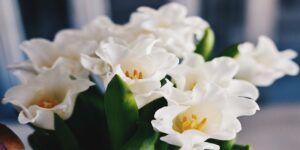
For families considering cremation services in Enumclaw, WA, an outdoor memorial service can provide a setting for remembrance while allowing friends to gather in a meaningful […]
The post How to Plan an Outdoor Memorial Service After Cremation appeared first on Blog - Weeks' Funeral Homes.

Flowers have carried meaning in funeral and memorial settings, offering a way to express emotions when words may feel insufficient. Families working with funeral homes in […]
The post The Meaning Behind Common Funeral Flowers appeared first on Blog - Weeks' Funeral Homes.

Planning cemetery arrangements ahead of time can bring structure to decisions that might otherwise need to be made during an emotionally difficult period. For individuals and […]
The post Key Benefits of Preplanning Cemetery Arrangements appeared first on Blog - Weeks' Funeral Homes.

A cremation ceremony can be personal, giving family and friends a setting to remember someone through stories, music, images, traditions, and reflection. Families considering cremation services […]
The post Creating a Meaningful Cremation Ceremony That Honors a Unique Life appeared first on Blog - Weeks' Funeral Homes.

Knowing what to bring to a grieving family after a funeral can feel difficult, especially when you want your gesture to provide genuine comfort without creating […]
The post What Should You Bring to a Grieving Family After a Funeral appeared first on Blog - Weeks' Funeral Homes.

Families who arrange cremation services in Buckley, WA in advance often do so to reduce future decisions, document personal preferences, and create greater financial clarity. However, […]
The post Can a Cremation Plan Be Transferred to Another Funeral Home? appeared first on Blog - Weeks' Funeral Homes.
